The Summer Assembly Line

No Comments

Do Eastern Bluebirds Have Multiple Broods?

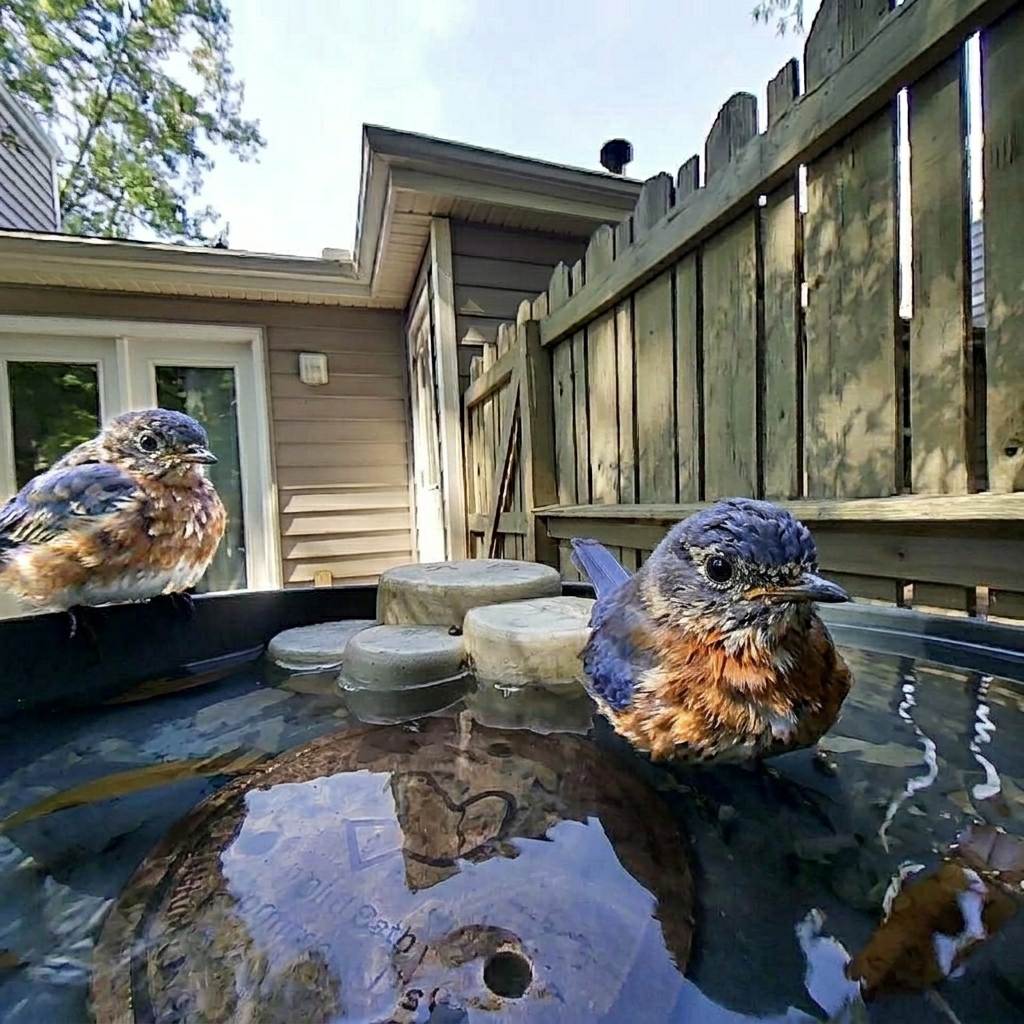
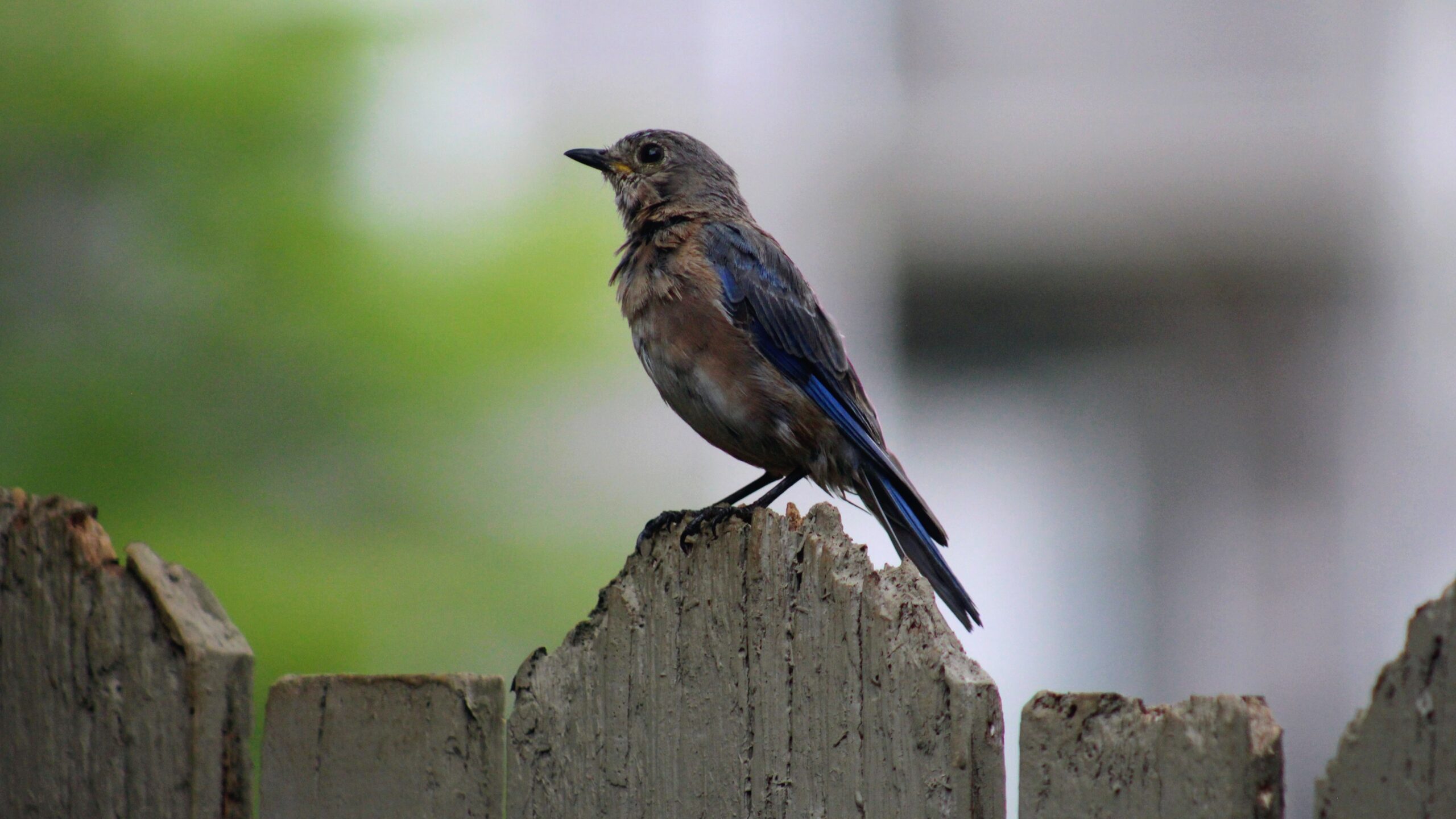
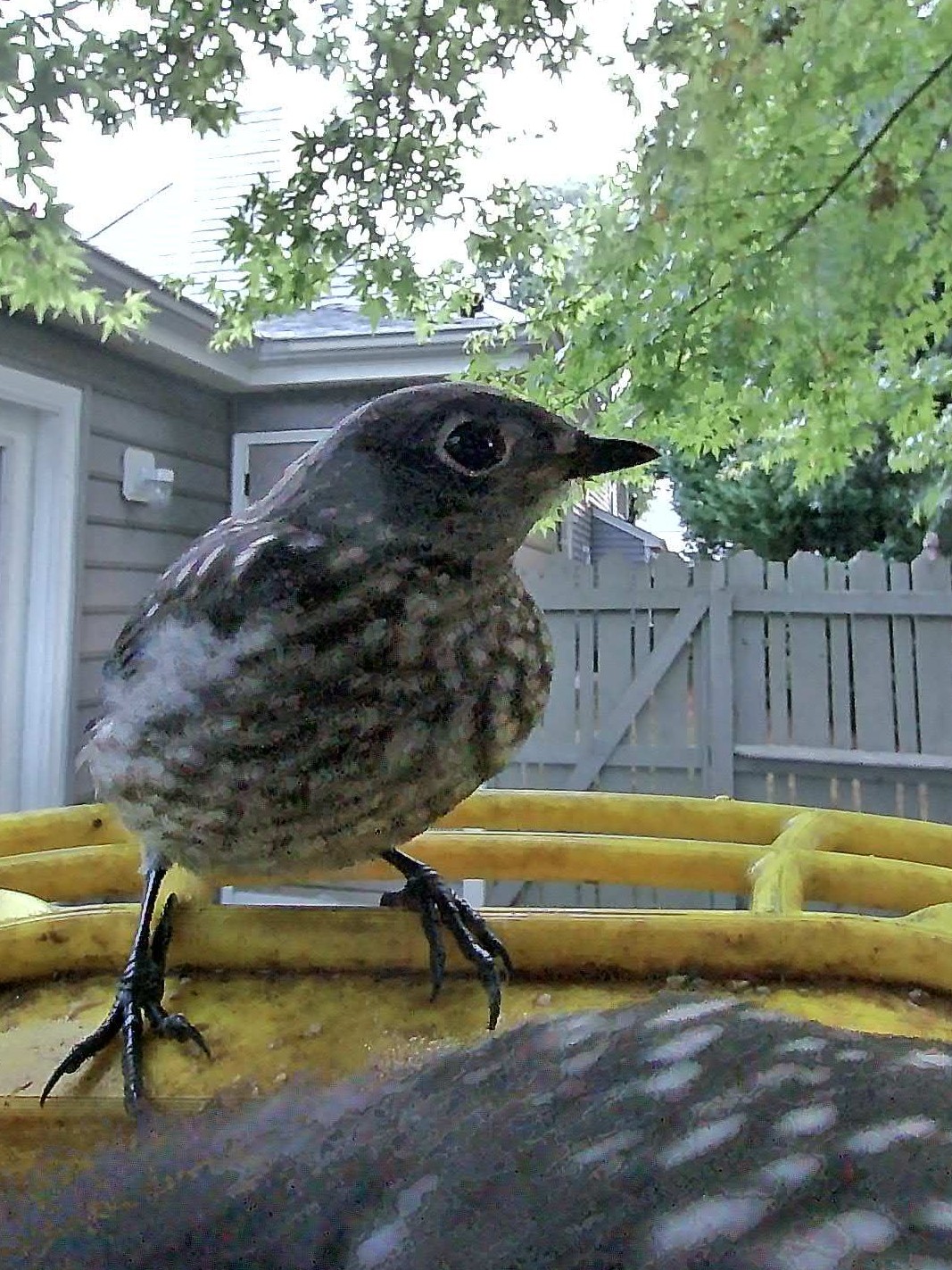
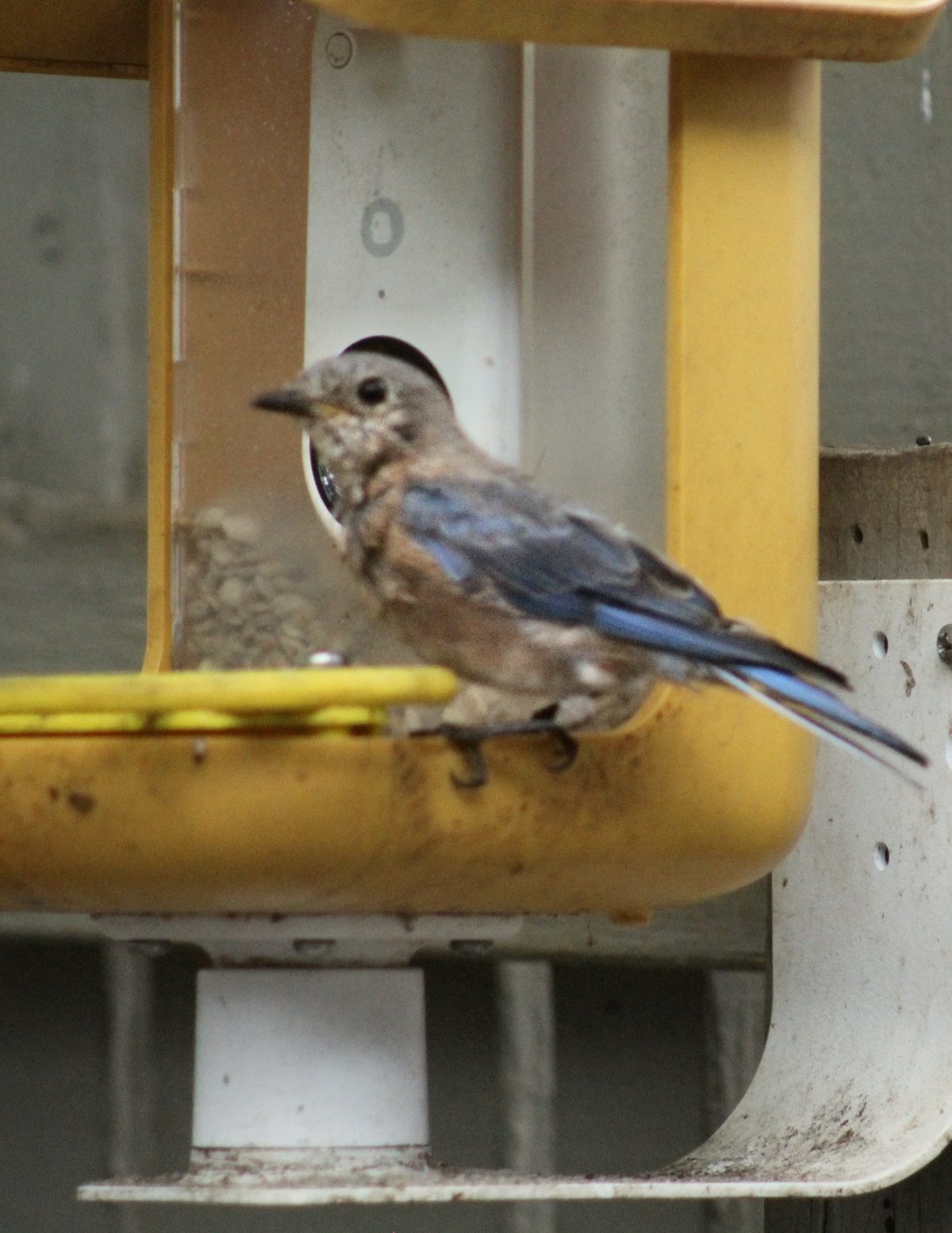
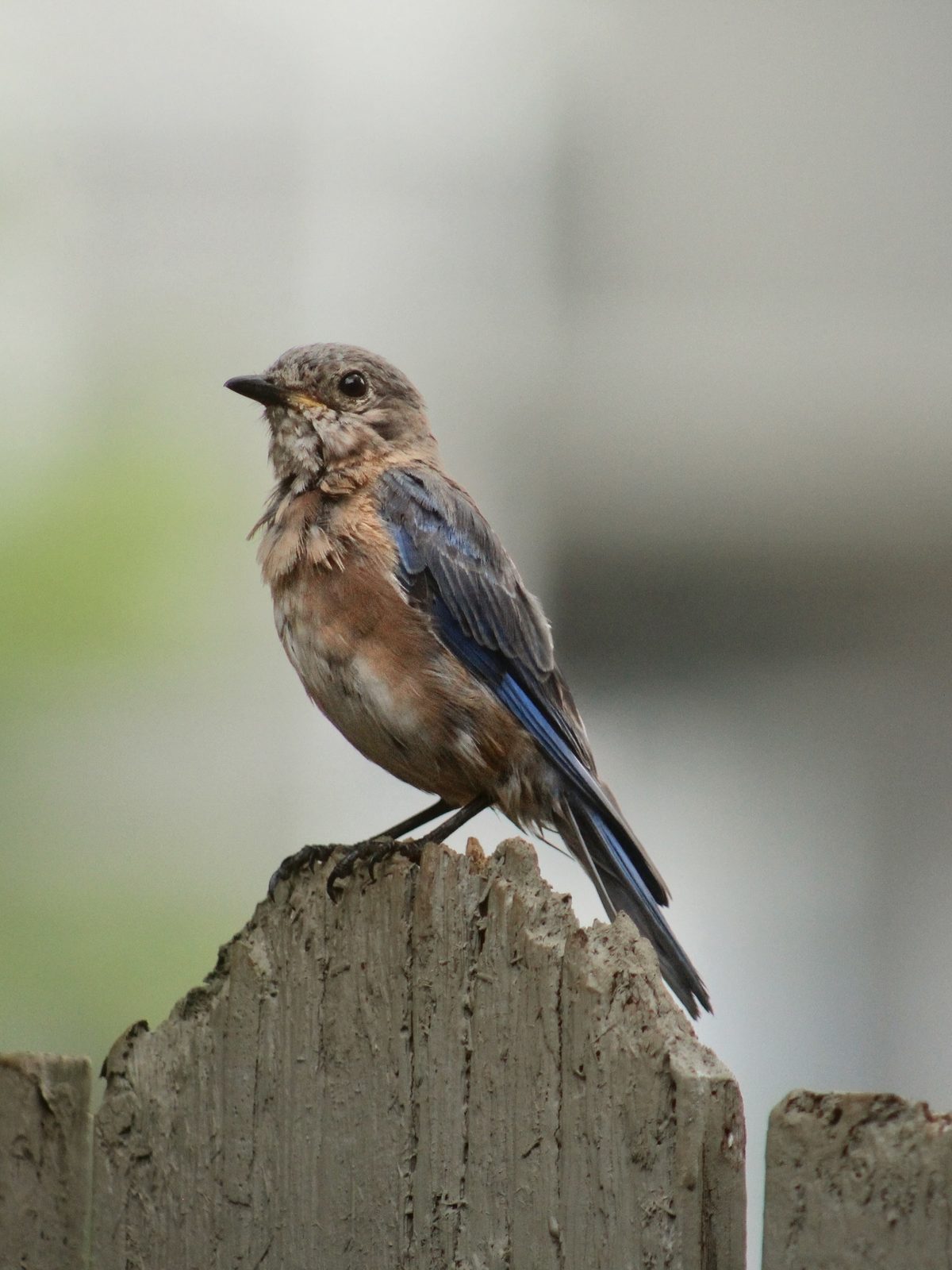
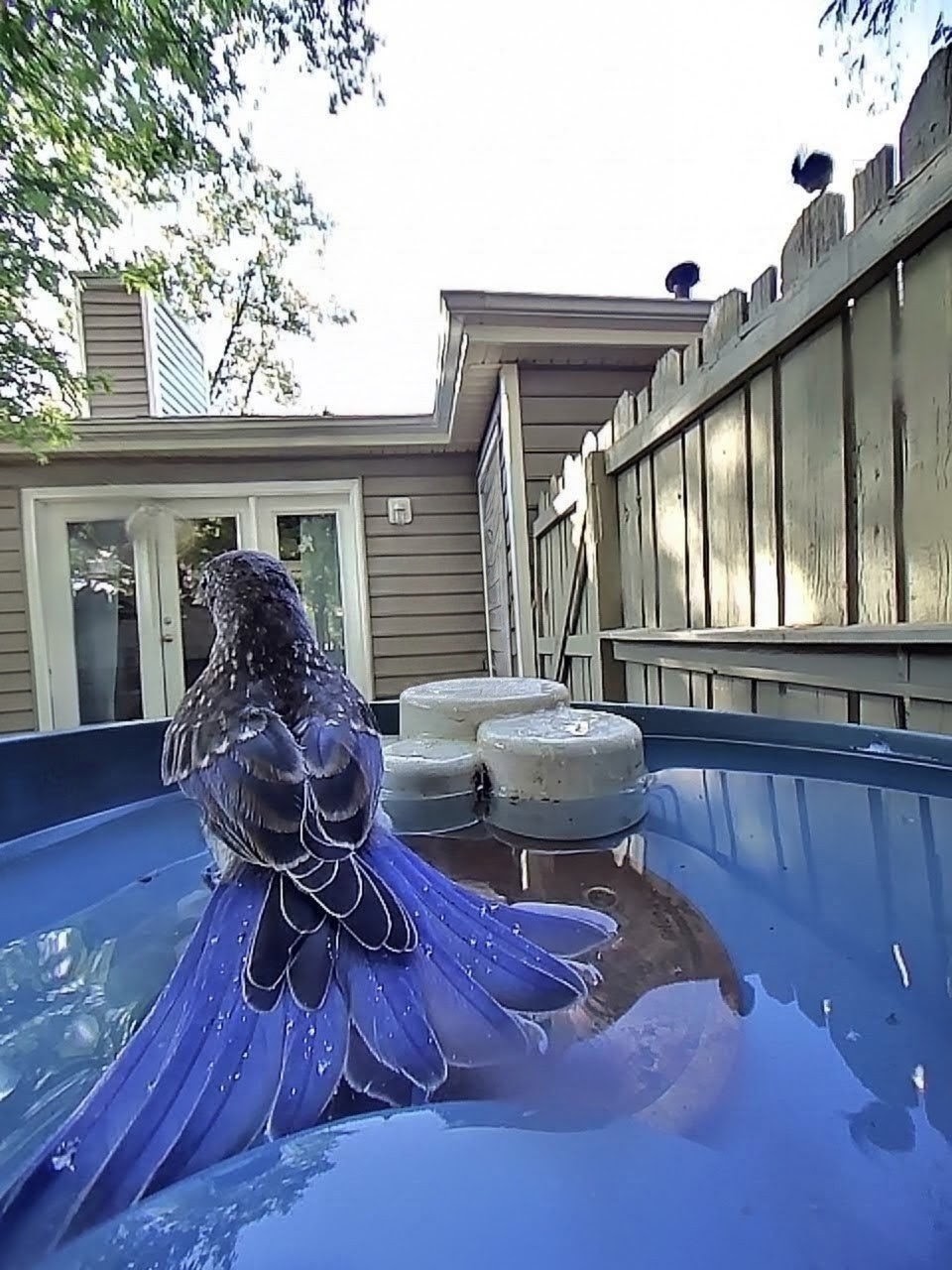
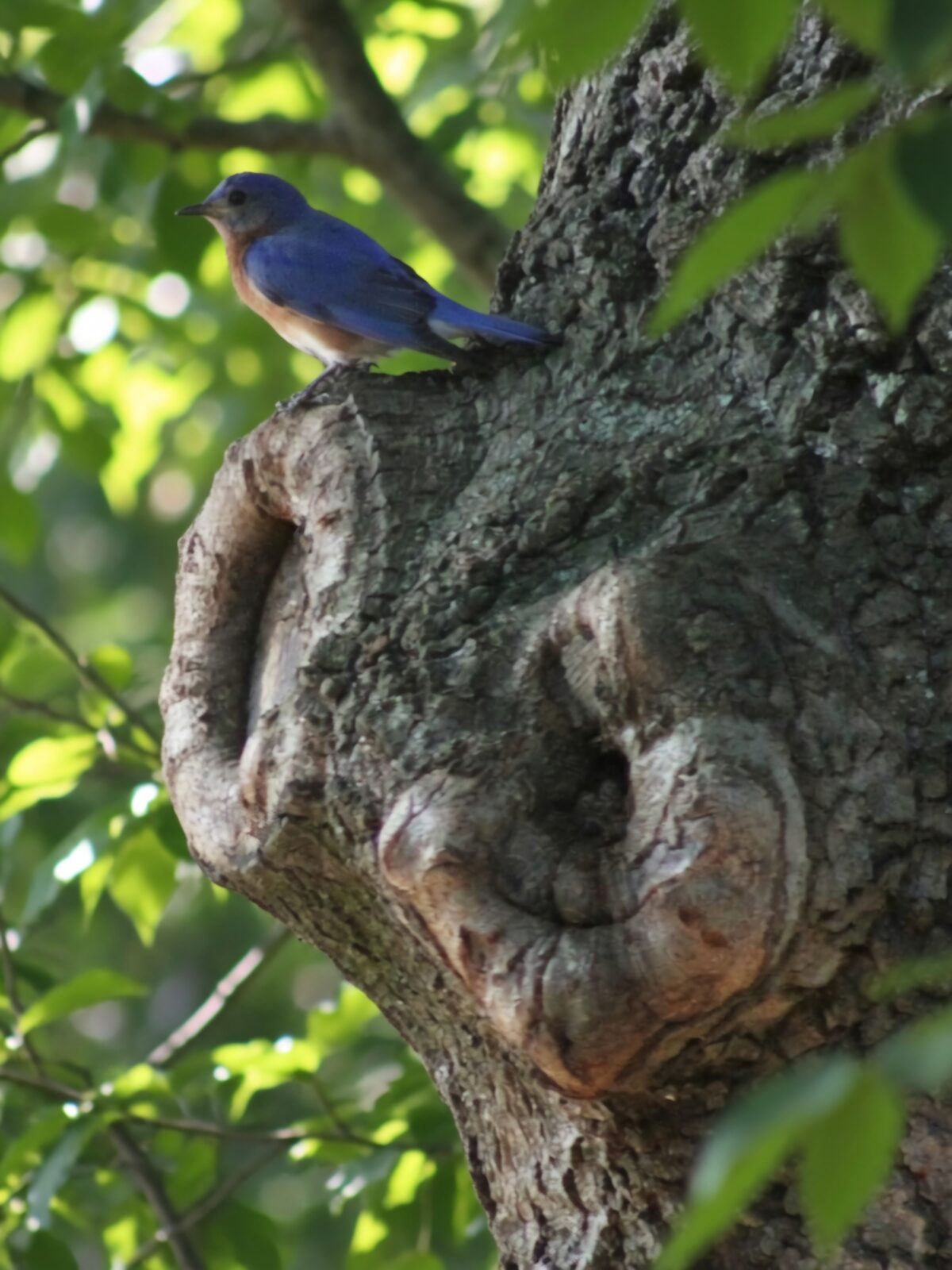
If you’ve ever watched a pair of Eastern Bluebirds frantically hunting in your backyard, you know just how hard bird parents work. Back in April, I was lucky enough to witness the payoff: a pair of resident Eastern Bluebirds successfully raised their first brood, and I caught the rewarding sight of a brand-new fledgling on my fence.

But now that June is here, it raises a fascinating question: are they done for the summer?
Not even close! Raising multiple broods in a single season is actually a core part of the Eastern Bluebird’s summer survival strategy. While two broods are standard across most of their range, it is incredibly common for these birds—especially here in the warmer southern regions—to successfully raise three distinct broods before autumn arrives.
It takes roughly five to six weeks to go from egg-laying to fledging. Because this pair got such an early start in April, they are perfectly on track to wrap up round two right about now, with a potential third batch running through July and August.
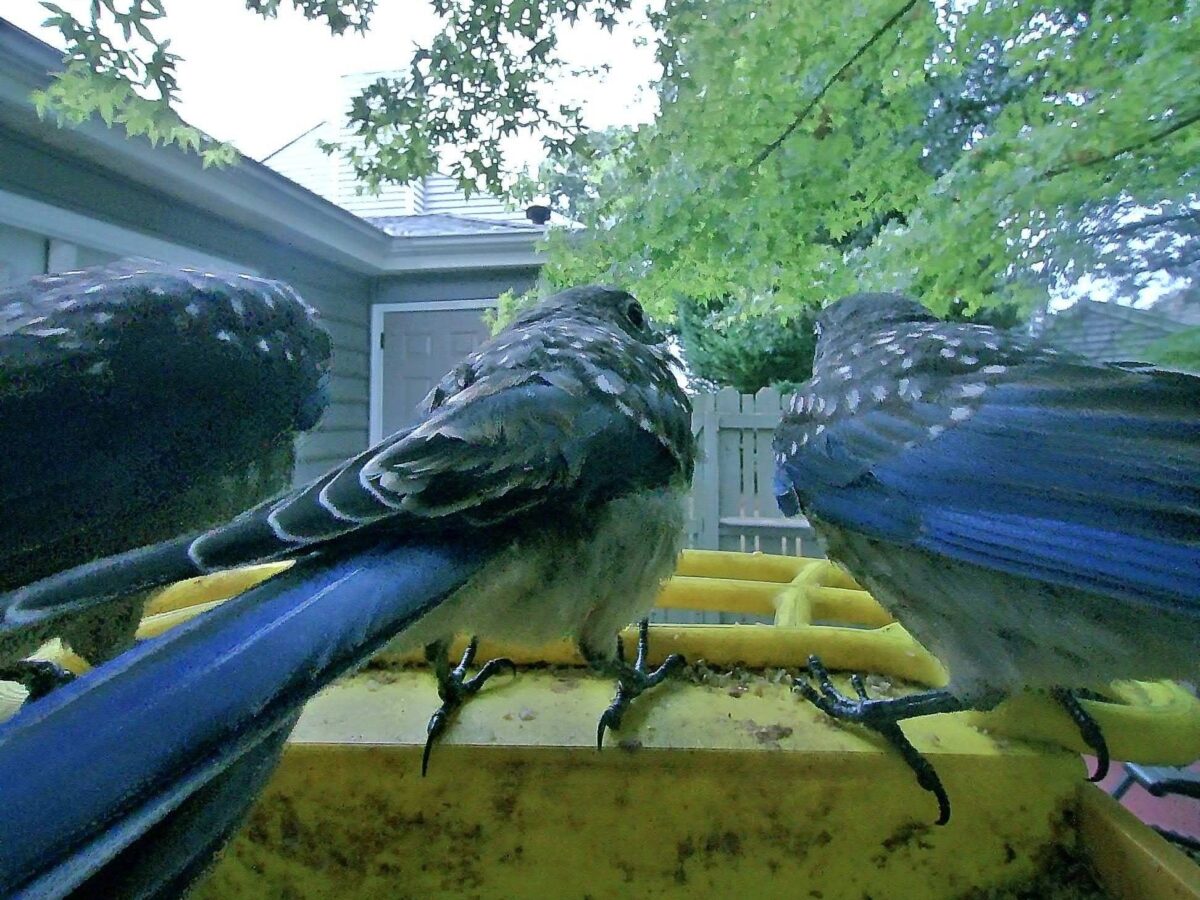
Managing a continuous assembly line of hungry chicks requires serious teamwork. While the female incubates the next clutch of eggs, the male takes over full-time dad duty, teaching the speckled teenagers from the first round how to hunt.
So, if you notice a sudden spike in traffic at the mealworm feeder, or spot a bright blue dad feeding a scruffy, spotted juvenile while mom sneaks back to the nest, you’re witnessing the ultimate backyard tag-team effort. Keep your eyes on the skies—and the fence lines—for round two!

🐝 Happy World Bee Day! 🌻

No Comments

Did you know that nearly 75% of the world’s leading food crops depend at least partly on pollinators? From the coffee we drink to the fruits, nuts, and vegetables we love, bees and other pollinators play a massive role in keeping our global food systems diverse, nutritious, and secure.

A honeybee on a purple cone flower. (Enhanced with Gemini AI)

This year, the Food and Agriculture Organization (FAO) is celebrating under the theme: “Bee Together for People and the Planet – A partnership that sustains us all.” It’s a reminder of the thousands of years of connection between humans and bees, and a call to action. Right now, pollinators face heavy pressure from habitat loss, climate change, and intensive agricultural practices.

How can we help? 🌼 Plant a diverse mix of native flowers in your garden to provide food for wild bees. 🚫 Reduce or avoid the use of pesticides. 🌱 Support local beekeepers by buying local honey and products. 🗣️ Spread the word about why protecting these amazing creatures matters!

Let’s protect our hard-working pollinators to ensure a healthier, more biodiverse planet. 🌍✨

Learn more about how to get involved.

Categories: Insects

Tags:

The Backyard Soprano

No Comments

Life with Carolina Wrens

There is a certain kind of joy that comes from a low-profile tray feeder. While the hanging tubes and suet cages attract their fair share of attention, the tray is where the real character studies happen. Lately, the stars of the show have been a family of spirited Carolina Wrens.

Big Personalities in Small Packages

If you’ve ever heard a tea-kettle, tea-kettle, tea-kettle song ringing through the neighborhood, you’ve met the Carolina Wren. These birds are famous for having a voice that seems far too large for their round, reddish-brown bodies. In the photo, you can see their signature features: that bold white eyebrow stripe (supercilium) and the cocked-up tail that signals they are ready for action at a moment’s notice.

“They don’t just visit the feeder; they investigate it. Every seed is a puzzle, and every corner is a potential nesting spot.”

A Tray Feeder Favorite

While many wrens prefer foraging on the ground for insects, Carolina Wrens are frequent guests at backyard stations, especially when hulled sunflower seeds, mealworms, or suet nuggets are on the menu. Watching them on the tray feeder is a lesson in curiosity. They don’t just grab a seed and fly away; they often hop around, tilt their heads, and flick through the mix with a charming, frantic energy.

Welcome Neighbors

Having a family visit regularly is a treat. They are year-round residents in many areas, meaning they provide a much-needed splash of warm color and vocal enthusiasm even during the quietest winter months. They are also famously bold—don’t be surprised if they build a nest in your hanging basket, a discarded boot, or right on the porch if you leave a door open for too long!

Categories: Feathered Friends

Tags:

Cardinal Courtship

No Comments

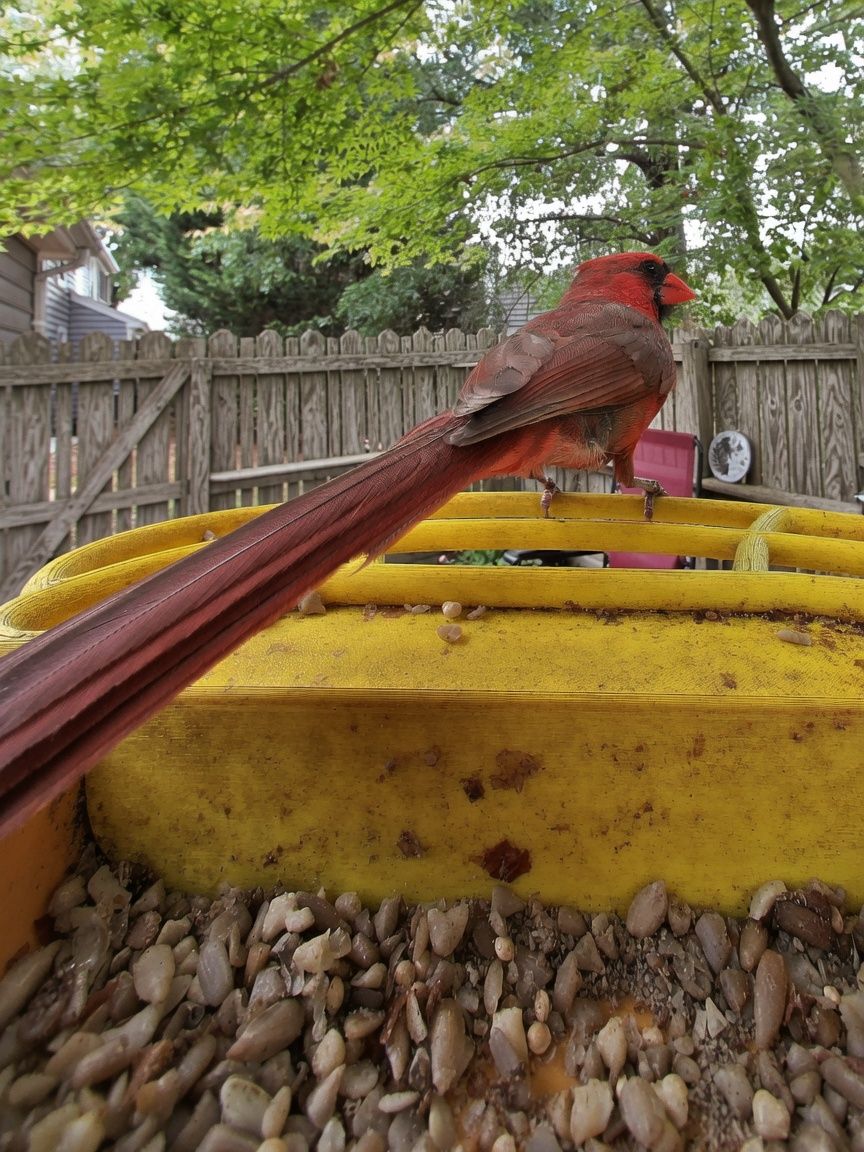
A perfect capture of some Cardinal courtship feeding on the fence! My wife, the resident “old school” film expert, stepped behind the digital lens to grab this. It’s great having a shared hobby—even if her shots are giving mine a run for their money!

Canon EOS Rebel T6
ƒ/5 * 1/1250 * 125mm * ISO3200

Patchy feathers and Cardinal Confetti

No Comments

A lesson in fledgling independence

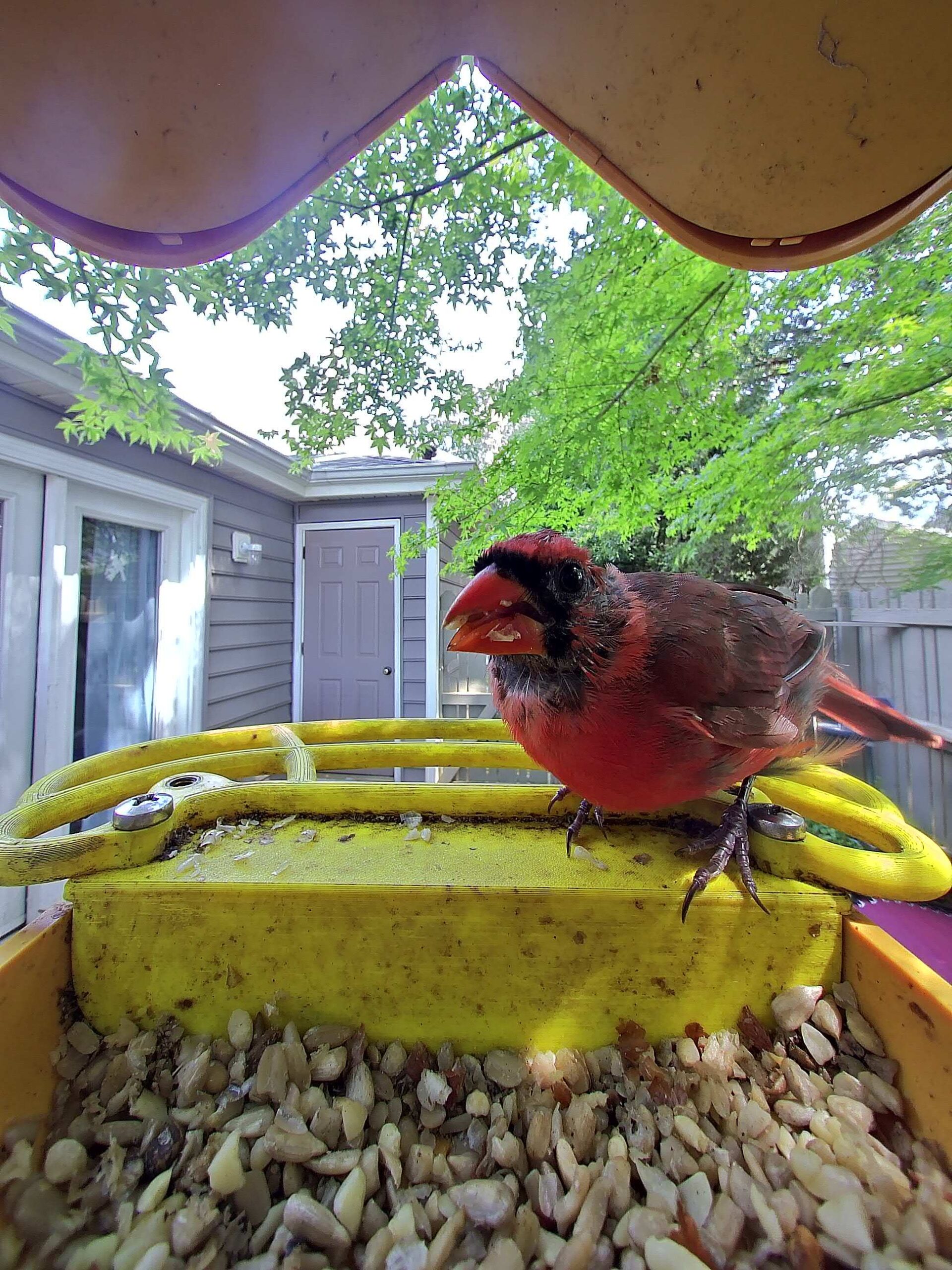
Today a juvenile Northern Cardinal was exploring my feeder. You can identify a fledgling by noting its “patchy” feathers and the fact that I saw its father feeding it just yesterday. The young bird was caught on camera investigating the Cardinal Confetti mix from Wild Birds Unlimited, likely attracted to the large nut pieces and seeds as it transitions toward independence.

Categories: Nubbin

Double Scratch

No Comments

Caught this handsome male Eastern Towhee doing his signature “double-scratch” dance in the leaves 🍂 today. Those rufous sides really pop against the backyard mulch! 🐦

Canon EOS Rebel T6
F/5.0 * 1/1000s * 170 mm * ISO3200

Categories: Feathered Friends

Tags:

Wild Iris

No Comments

Soaking up the simple beauty of this wild iris today. Nature always knows how to add a pop of color to the day! 💜

Categories: Flora

Tags: